)
)
)
From Research to Reality: Peter Ashworth on Preston North End's Pitch Renovation
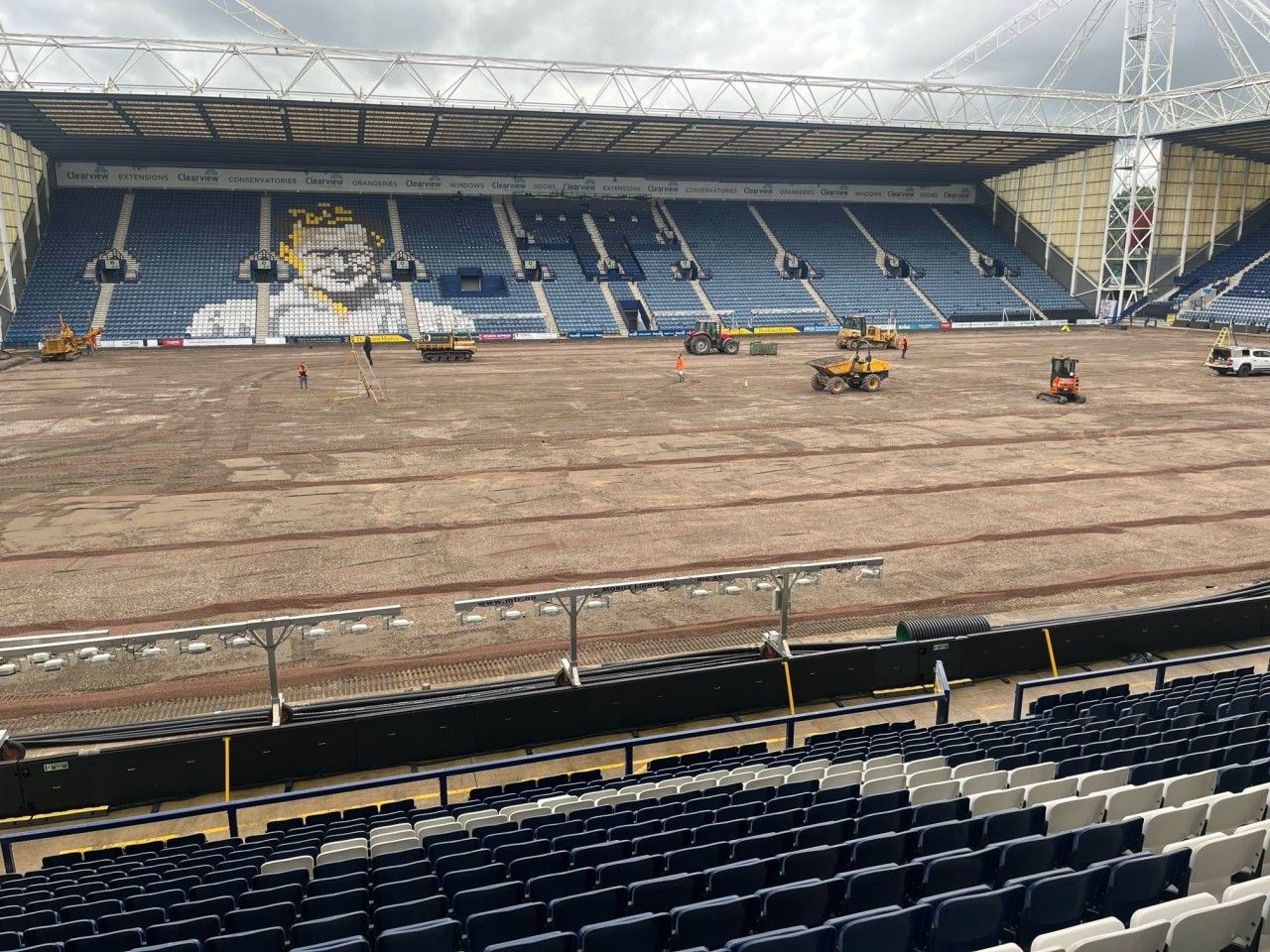
After years of planning, research and perseverance, Preston North End is entering a new era with the installation of a state-of-the-art hybrid playing surface at Deepdale.
For Peter Ashworth, Head Groundsman at Preston North End FC, the project represents far more than replacing a pitch. It's the culmination of years spent researching the latest technologies, visiting clubs across the country, developing multiple proposals and making the case for investment that would improve performance for players while future-proofing the stadium for years to come.
Ahead of the new season, Peter spoke to SALTEX about the journey from research to reality, the challenges of delivering a major renovation within a tight timeframe, and why industry events such as SALTEX continue to play an important role in shaping modern grounds management.
What led to the decision to invest in a new playing surface?Peter Ashworth: Over the last three seasons, we'd noticed a major drop-off in the quality of the playing surface at Deepdale. The new South Stand roof reduced the amount of natural light reaching the pitch, while the increase in substitutes meant more players were using the surface. Combined with a 30-year-old pitch, it became increasingly difficult to maintain good grass cover through the winter.
For around ten years I'd been putting together different pitch build proposals, ranging from lower-budget improvements through to a full reconstruction. I also spent a lot of time visiting clubs, both locally and further afield, to see how their hybrid pitches were performing.
We always knew hybrid was the direction we wanted to go because we'd seen how successful it had been at other clubs. We looked at several different systems and even considered stitching into the existing surface, but ultimately everyone agreed that a full reconstruction would give us the best long-term solution.
After three difficult winters, despite trying everything possible to improve the surface, the club agreed the time was right to invest.
-
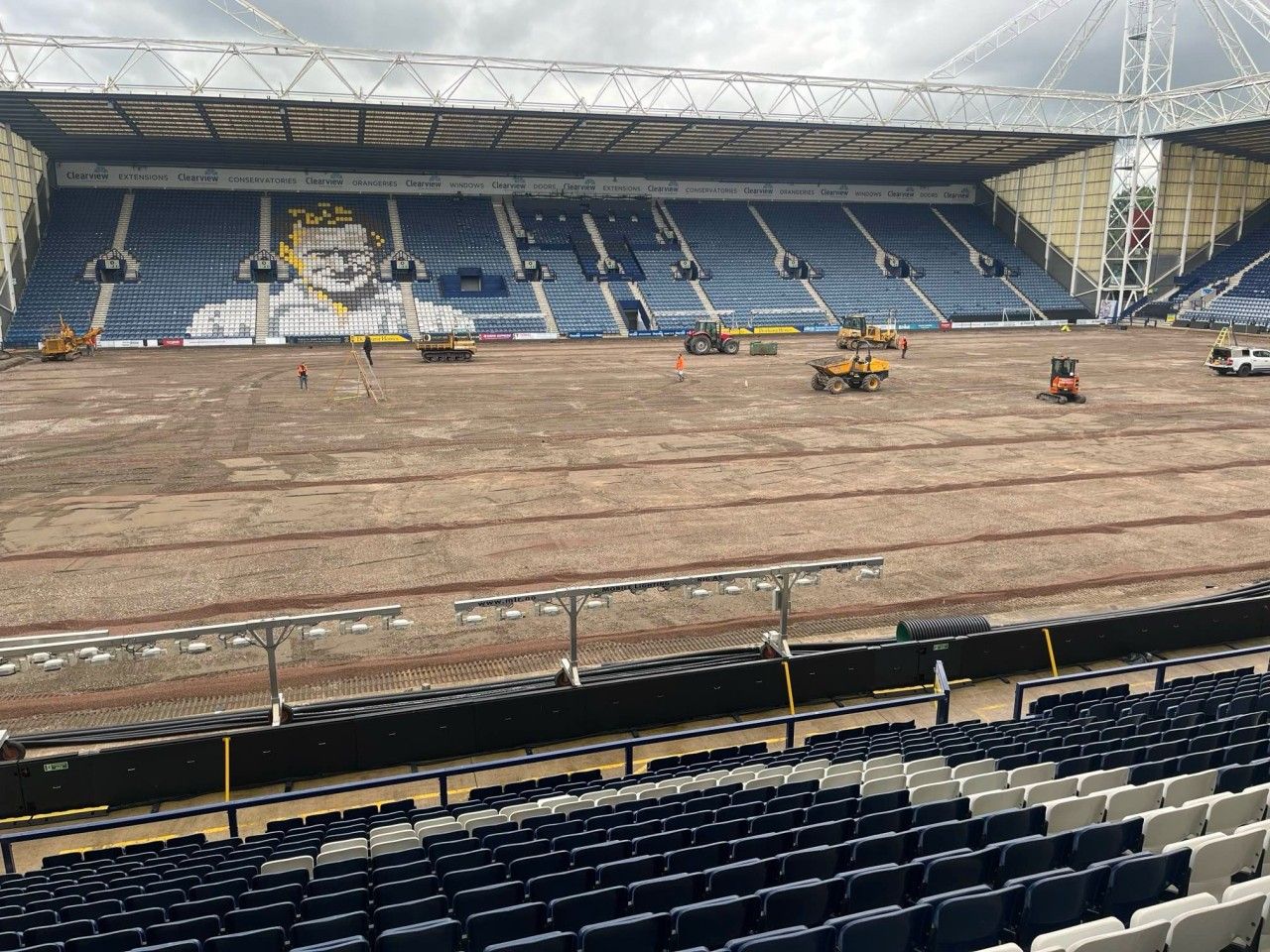
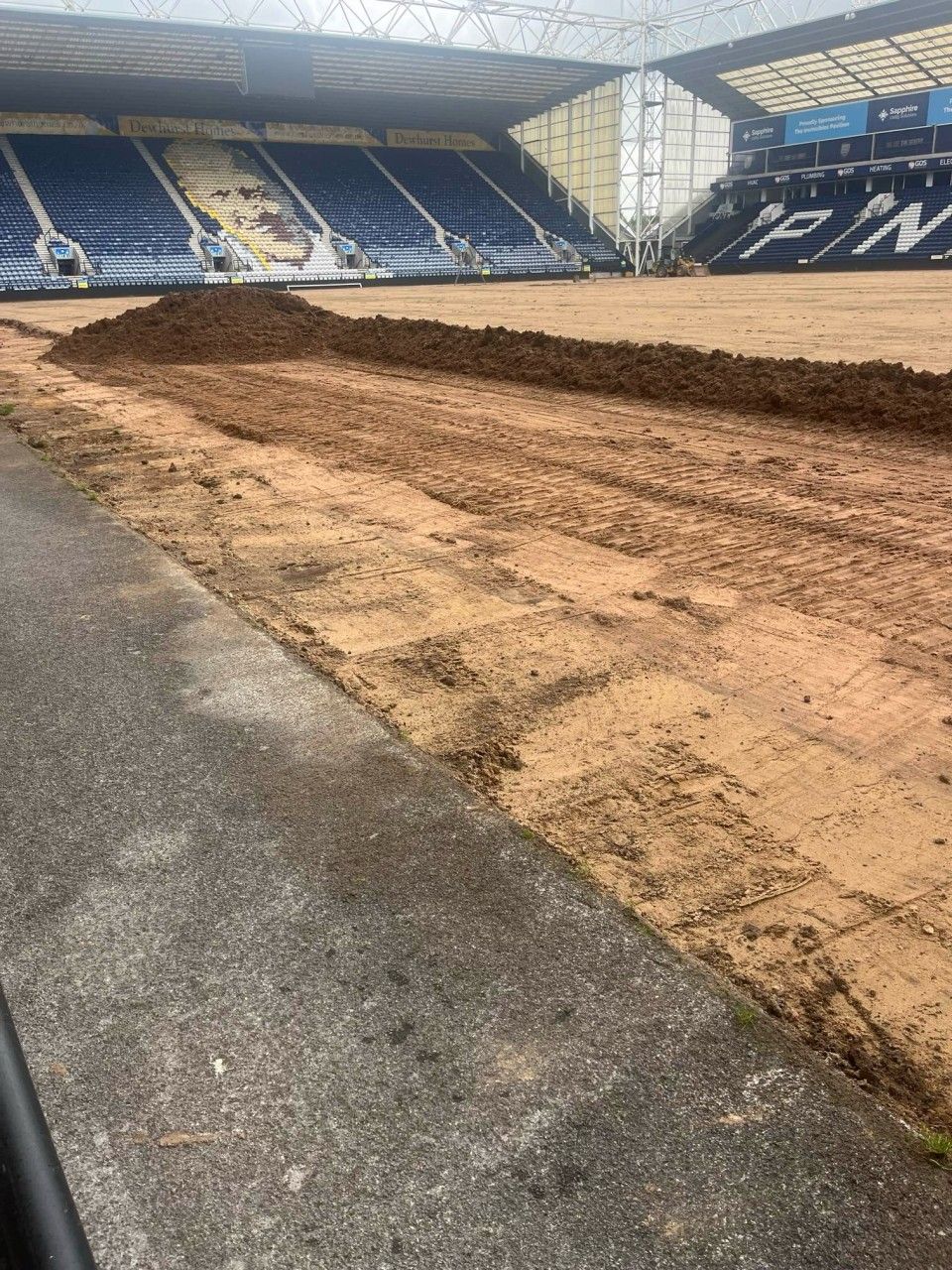 Removal of the pitch
 -
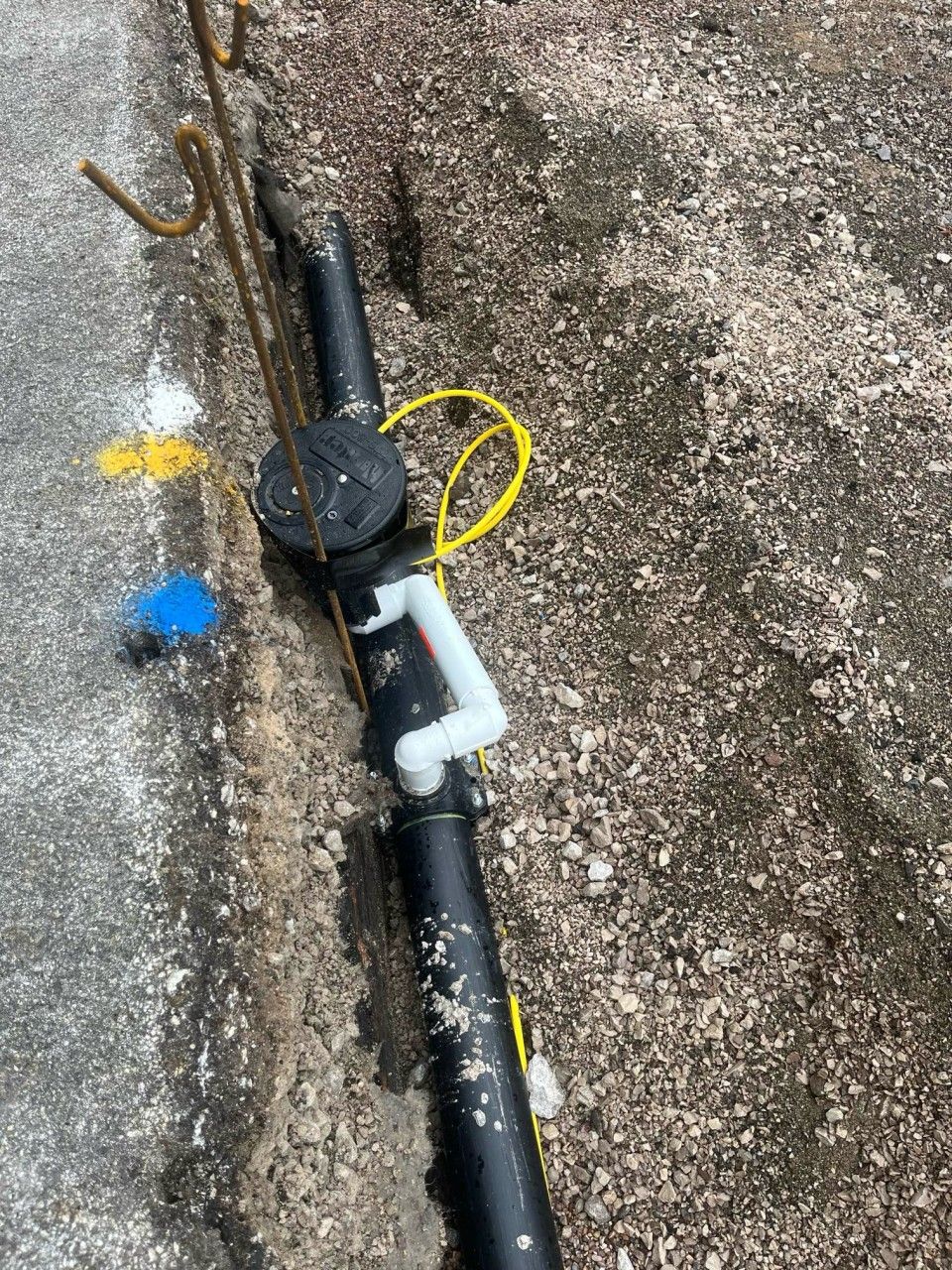 New Irrigation
 -
 New Drains
 -
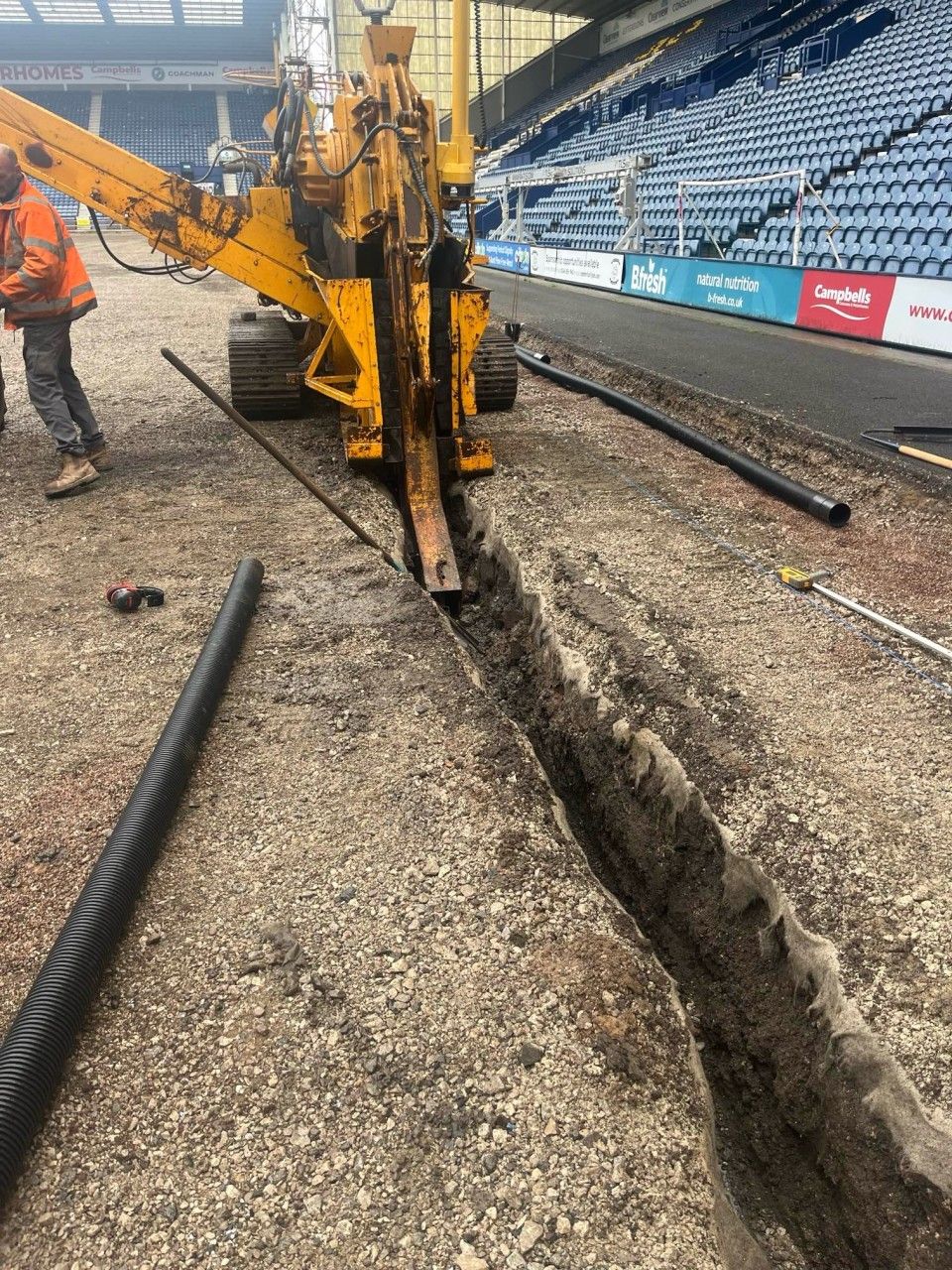 New Drainage
 -
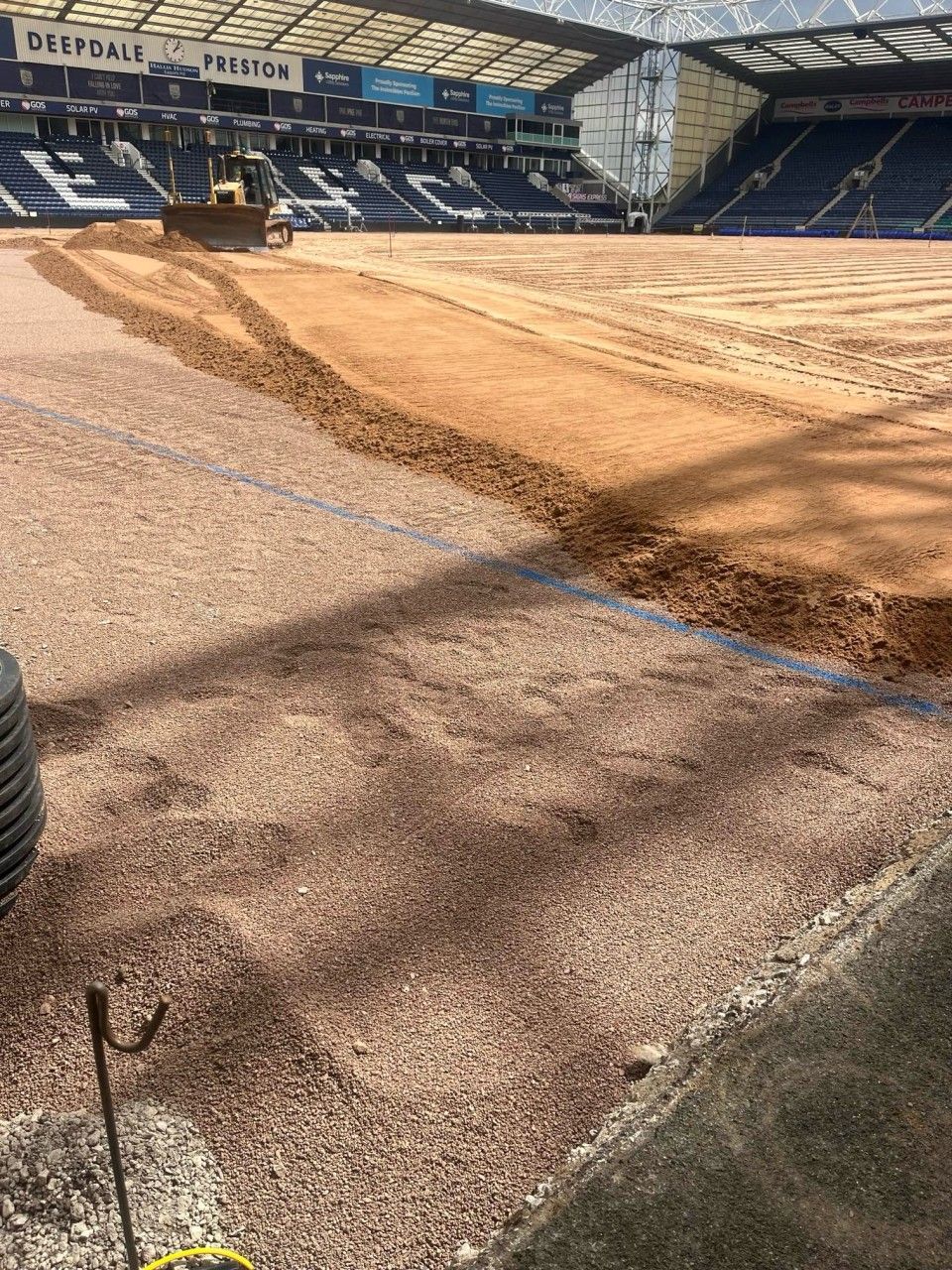 Lower Root Zone
 -
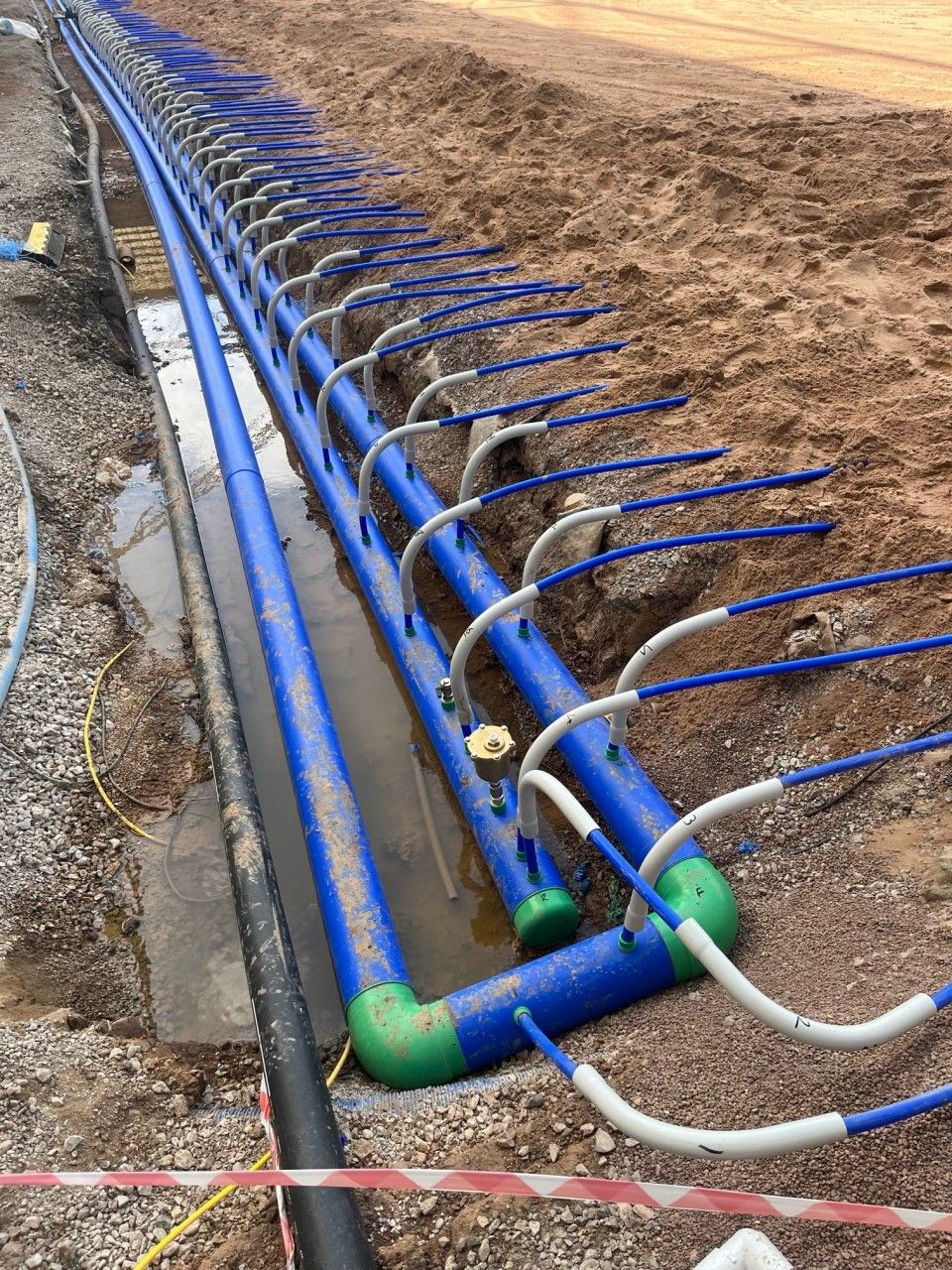 Underground Heating
 -
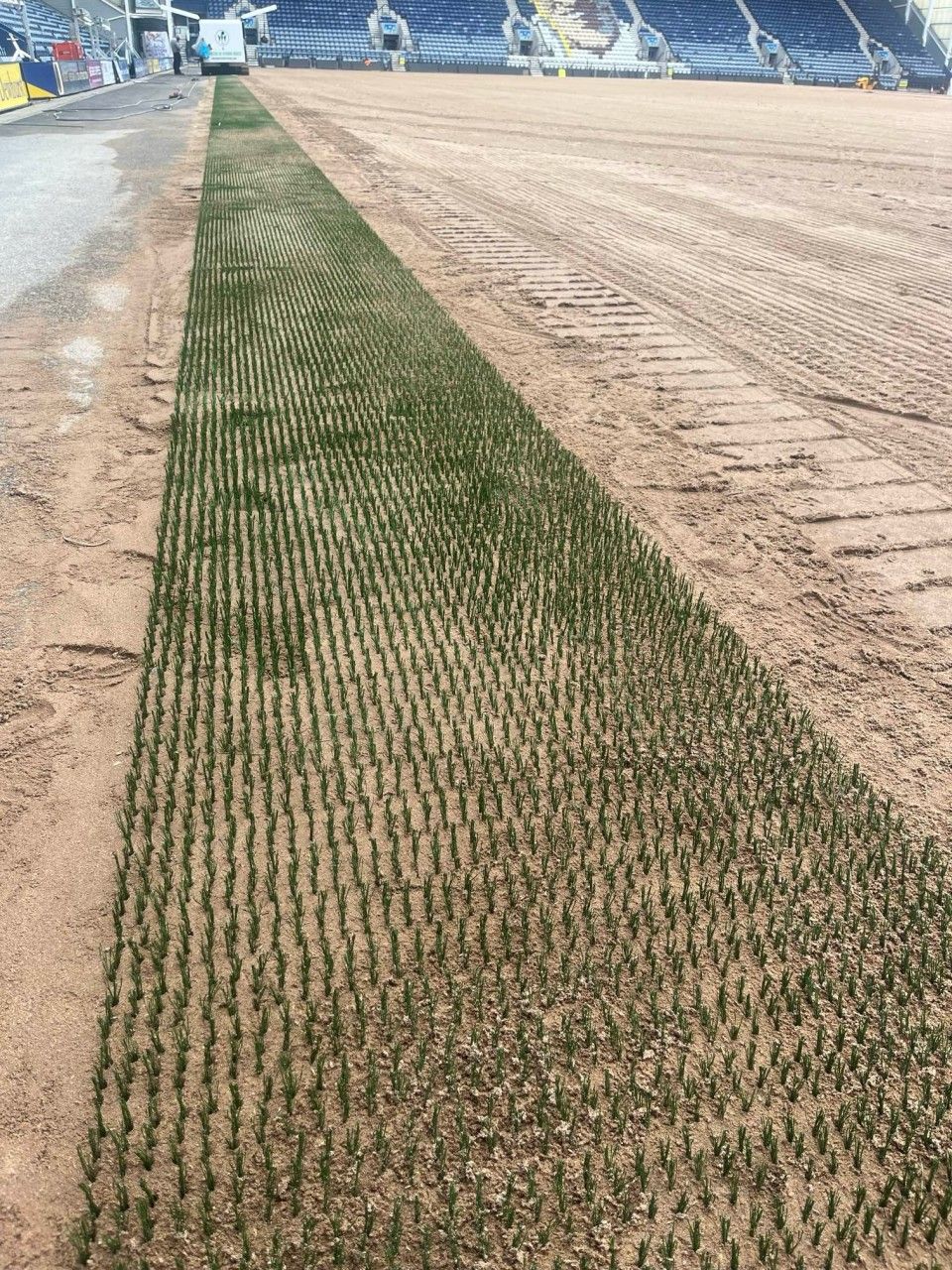 Grassmaster Hybrid Stitching
How was the specification developed?
Peter Ashworth: Working alongside consultant Mike Harbridge, we developed three different specifications for the club to consider, from a lower-level option through to a premium build.
One challenge was that there were no drawings of the original pitch construction, so we didn't know exactly what we'd uncover. Once excavation started, we discovered the original clay drainage pipes were heavily silted and no longer performing efficiently.
Thankfully, the club backed us by approving a completely new drainage system. That decision has been fundamental to ensuring the new hybrid surface performs as intended.
Player feedback also played an important role. Earlier in the season I asked the squad to complete a survey covering areas such as stability, playability and how our surface compared with others across the Championship. Those findings helped support the case for investment.
What have been the biggest challenges during the renovation?Peter Ashworth: Time has definitely been the biggest challenge.
The decision came relatively late, and once we added the new drainage system into the programme, alongside some extreme heat during construction, it became a very tight schedule.
Thankfully we've been able to move our cup fixture to Goodison Park and start the league season away from home. Those extra couple of weeks could make a huge difference in giving the pitch the best possible chance before its first competitive fixture.
One thing that hasn't surprised me is just how much work goes into a project like this. The professionalism, planning and sheer number of hours required shouldn't be underestimated.
Mallinsons have done a fantastic job delivering the build under difficult circumstances, and they deserve huge credit for their commitment throughout the project.
What happens beneath the surface that supporters rarely get to see?Peter Ashworth: Supporters only really see the pitch on a matchday, so we've tried to give them an insight by sharing videos throughout the build.
There are around 15 to 16 miles of undersoil heating pipe beneath the surface, alongside a completely new irrigation system and upgraded drainage infrastructure. Those are the things people never see, but they'll make a huge difference to how we manage the pitch and maintain performance over the coming years.
What improvements do you expect from the new hybrid pitch?Peter Ashworth: The biggest improvements will be stability and playability.
Players should notice a truer ball roll, improved traction and greater confidence when turning and changing direction. During periods of heavy rainfall, the surface should hold together much better and recover more quickly because we'll retain far more grass cover than before.
Supporters will hopefully notice fewer divots, less loose debris and a consistently high-quality playing surface throughout the season.
For us as grounds staff, there'll also be a learning curve. We'll be carrying out more verticutting and raking to keep the sward open and maintain the hybrid fibres, while continuing to adapt our maintenance programme to the British weather.
How has the industry changed during your career?Peter Ashworth: I've been in the industry for around 30 years, and the standards expected today are on another level.
Pitches have improved dramatically, but so have the demands placed on grounds teams. There are more fixtures, more women's football, more live television coverage and more opportunities to stage concerts and other events.
Technologies such as hybrid pitches and lighting rigs have made that possible, but they've also raised expectations significantly.
Years ago, worn goalmouths were accepted as part of winter football. Today, a worn area can attract criticism, so the pressure to deliver consistently high-quality surfaces has never been greater.
Why is SALTEX still important for grounds professionals?Peter Ashworth: Visiting events such as SALTEX helps us stay up to date with the latest innovations and technologies entering the industry.
Meeting both existing and new suppliers often introduces ideas you wouldn't otherwise come across, and I've left SALTEX over the years with plenty of ideas that have become part of our day-to-day maintenance programmes.
The educational sessions are always valuable, and the opportunity to network with other grounds professionals is another major benefit. There's always something new to learn.
Finally, how will it feel when football returns to Deepdale?Peter Ashworth: I'll be hoping for a stress-free matchday, some kind weather and the opportunity to sit back and enjoy watching football on what I hope will be a world-class playing surface.